
CCR at the ISP edge
For BGP, large PPPoE subscriber bases and aggregation, choose a CCR with enough cores and SFP+ or faster ports for upstream links.
B2B only · sourced to order, no stock lists
Price Beat Promise on like-for-like quotes
Export from Dubai to Africa and beyond
Brand sourcing · MikroTik
MikroTik's RouterOS hardware gives operators and businesses serious routing capability at modest cost, which makes it a fixture in ISP and WISP networks. We source Cloud Core Routers, Cloud Router Switches, compact routers and outdoor wireless units, and confirm the licence level and RouterOS version for every line.
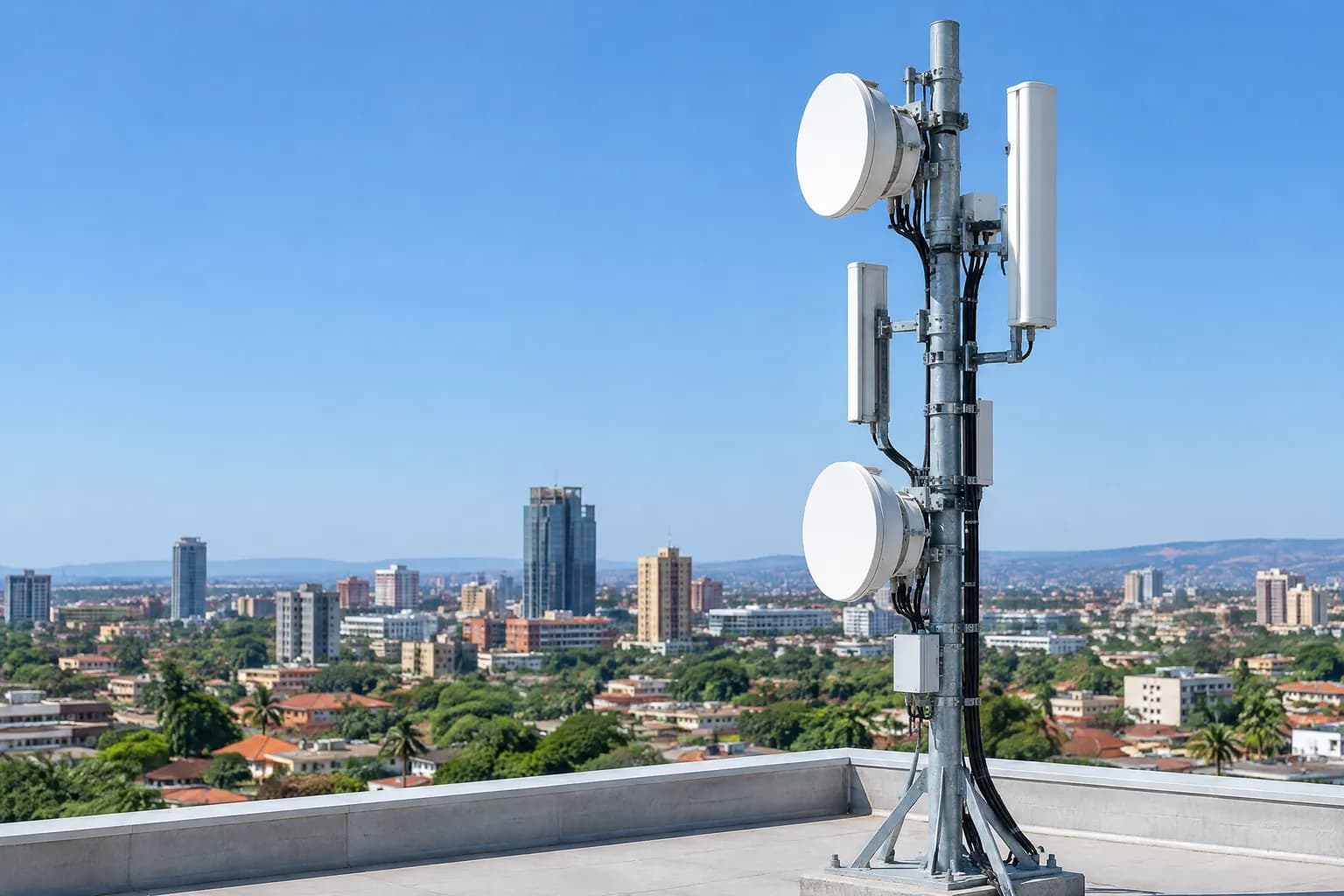
Cloud Core Routers (CCR) are the operator workhorses, used for BGP edges, PPPoE concentrators and aggregation. Cloud Router Switches (CRS) combine switching with RouterOS features and often serve as aggregation switches with SFP+ and QSFP ports. Compact units such as the hEX and RB5009 cover small offices and branch routing, while wAP, SXT, LHG and similar outdoor products handle wireless links and customer premises.
Each MikroTik device ships with a RouterOS licence level tied to the hardware, which decides whether certain features, such as wireless access-point mode, are enabled. Cloud Hosted Router (CHR) is a software-only edition licensed separately for virtual machines. Because the level belongs to the unit, we confirm it on every line rather than assume it.
RouterOS v7 introduced a new routing engine and, on supported hardware, a new Wi-Fi driver package, and configurations written for v6 often need rework. Tell us which version your engineers run so we can flag models that ship only with v7 or are better left on v6.
MikroTik's range is broad and its model codes are terse. Start from the role and the port mix.
For BGP, large PPPoE subscriber bases and aggregation, choose a CCR with enough cores and SFP+ or faster ports for upstream links.
Where many fibre links meet, a CRS with SFP+ ports gives wire-speed switching and RouterOS management in a single box.
hEX and RB5009-class units handle small offices, shops and branch VPNs with low power draw, which helps on solar or UPS-backed sites.
Choose by band and antenna gain: SXT and LHG for subscriber links, dish models for longer point-to-point hops. Check which bands are permitted locally.
MikroTik model codes encode ports, CPU and wireless options, so send the full code where possible.
The same four checkpoints keep the sample, contract and commercial lot aligned.
Model codes, licence levels and RouterOS version support are checked against your network design.
Suppliers quote new units, and we confirm power supplies, mounting kits and the accessories in each box.
For radios, frequency variants are checked and type approval documents coordinated where your regulator requires them.
Units ship with serial numbers and MAC addresses listed, which speeds up provisioning.
Yes. RouterBOARD and CCR hardware ships with a licence level that MikroTik sets for that model. Upgrade options on hardware are limited, so choose a model that already carries the level you need.
It offers carrier features such as BGP, MPLS, PPPoE and traffic shaping on affordable hardware, and RouterOS skills transfer across the whole range.
Yes, spare routers, SFP modules and power supplies can be quoted alongside project units. Lead time depends on model and quantity and is confirmed in the quote.
Send the models or specifications, quantities, condition, destination and timeline. Our sourcing desk checks availability with suppliers and replies with written options.
FC Trading is an independent trader and is not affiliated with, authorized by or a partner of MikroTik. MikroTik and its product names are trademarks of their respective owner, used here only to describe the products buyers ask us to source. Warranty and support terms depend on the source of each unit and are stated per quote.